
How Attic Insulation Helps Wylie Homes Handle Texas Temperature Swings
Wylie homeowners know that a warm afternoon can turn into a chilly evening, especially when seasonal fronts move through North Texas. Summer brings another challenge: long stretches of intense heat that make air conditioners work hard. Those changes affect how quickly a house gains or loses heat, and the attic plays a major role. Proper attic insulation in Wylie, TX, helps slow that transfer, making indoor temperatures easier to maintain throughout the year.
Insulation supports your heating and cooling equipment by reducing the amount of heat moving through the ceiling. If the existing material is thin, uneven, or damaged, rooms may feel uncomfortable even when the HVAC system is running normally. Knowing how attic insulation works can help homeowners decide when an evaluation makes sense.
Why the Attic Matters During Texas Weather Changes
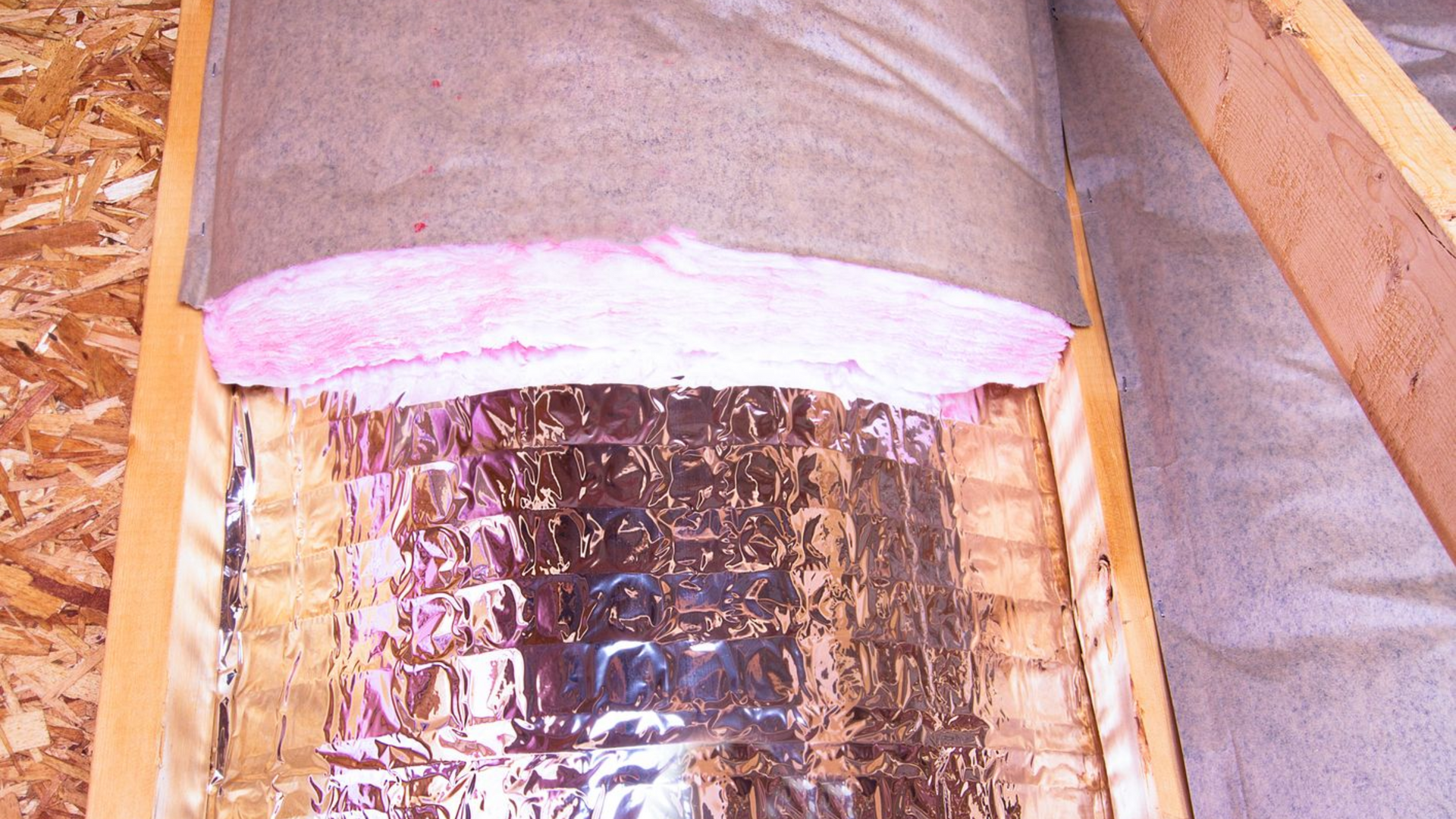
Heat naturally moves from warmer areas toward cooler ones. During summer, a sun-heated roof raises attic temperatures, and heat can pass through the ceiling into the living space below. In winter, heated indoor air warms the ceiling, allowing some of that energy to escape toward a colder attic.
Insulation resists this heat movement. Its effectiveness is measured by R-value, which describes resistance to heat flow. Higher R-values generally provide greater resistance, although the appropriate amount depends on local recommendations and the home’s construction. A consistent layer across the attic floor helps protect rooms beneath it during both hot and cold weather.
How Attic Insulation in Wylie, TX, Supports Indoor Comfort
When outdoor temperatures change quickly, insufficient insulation can make indoor conditions shift faster too. Upstairs bedrooms may become noticeably warmer on sunny days, while rooms below the attic may cool down sooner after a winter cold front arrives.
A properly insulated attic helps moderate those changes by slowing heat transfer. This can reduce temperature differences between rooms and help the thermostat maintain a more consistent setting. Insulation cannot correct every comfort problem, however. Leaky ductwork, inadequate airflow, or air leaks around ceiling openings may also contribute to uneven temperatures.
Why Better Insulation Can Reduce HVAC Workload
Heating and cooling systems replace heat that enters or leaves a home. When the attic allows substantial heat transfer, equipment may run longer to maintain the thermostat setting. Reducing that heat movement can lower the heating and cooling demand placed on the system.
That matters during extended Texas heat waves, when air conditioners already operate for many hours. It also matters during sudden winter cold snaps, when the heating system must compensate for falling outdoor temperatures. Energy savings vary by home, existing insulation levels, air sealing, and equipment condition, so an inspection is more useful than a blanket savings promise.
Signs an Attic Insulation Assessment May Be Worthwhile
Some comfort complaints point toward an insulation problem, although a technician should evaluate the whole situation before recommending improvements. Common reasons to request an assessment include rooms directly beneath the attic that feel hotter or colder than the rest of the house, or heating and cooling bills that seem unusually high for the season.
Older insulation may have settled or been disturbed during previous work in the attic. Gaps near ceiling penetrations and attic access openings can also allow unwanted heat movement. Water damage deserves particular attention because wet insulation may perform poorly, and the source of moisture should be addressed before replacement material is installed.
For homeowners considering attic insulation in Wylie, TX, a professional assessment can identify where insulation is missing, whether coverage is consistent, and whether ventilation or moisture concerns need attention. This avoids adding material without first checking for conditions that could undermine the improvement.
What to Know About Blown-In Attic Insulation
Blown-in insulation is one option for covering attic floors, especially where framing and hard-to-reach areas make uniform coverage difficult. A technician uses specialized equipment to distribute loose insulation across the intended area. The installed depth and material determine the resulting R-value.
For attic insulation in Wylie, TX, proper installation involves more than adding a thick layer. Technicians must account for attic ventilation, recessed fixtures, and other components that require clearance. Air sealing around appropriate openings may also be recommended because insulation slows heat flow but does not stop air leakage by itself.
The best approach depends on the home’s existing materials and attic conditions. A professional can determine whether additional insulation is appropriate or whether damaged sections need to be addressed first.
Plan for Comfort Through Every Season
Texas weather can change quickly, but your home’s ability to hold a comfortable temperature should be more dependable. A well-insulated attic helps limit heat gain in summer and heat loss in winter, supporting more stable indoor conditions and reducing unnecessary demand on HVAC equipment.
At Martin Heating & Air, we provide
blown-in attic insulation in Wylie, TX, and can evaluate your attic’s existing coverage before recommending next steps. If certain rooms struggle to stay comfortable or you suspect your insulation is inadequate,
contact us today to schedule an attic insulation consultation.